

Tips for Maintaining Plastic Pallets for Longer Service Life
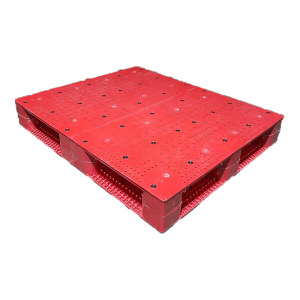
(Maintaining) A plastic pallet is widely used in manufacturing, warehousing, logistics, and distribution because of its durability, moisture resistance, and reusability. Although plastic pallets are designed for demanding applications, proper maintenance is still essential to maximize their service life and maintain safe operating conditions. Regular maintenance can help reduce pallet damage, protect products, improve workplace safety, and lower replacement costs. Here are some practical tips for maintaining plastic pallets.
Use Pallets Within Their Load Capacity
One of the most important maintenance practices is using pallets within their recommended load limits. Always check the static, dynamic, and racking load capacities before placing goods on the pallet. Excessive loads can cause deformation, cracks, or structural damage. For warehouse pallets used in racking systems, particular attention should be paid to the recommended racking load capacity.
Avoid Excessive Forklift Impact
Forklifts are commonly used to move pallets, but improper handling can damage them. Forklift operators should insert the forks correctly and completely into the pallet openings. Avoid hitting the pallet with the forks or entering them at an improper angle. Repeated impacts can damage the pallet legs and deck over time, even when the pallet is manufactured from durable material.
Clean Pallets Regularly
One of the advantages of a plastic pallet is that it is relatively easy to clean. Regular cleaning is particularly important when pallets are used in manufacturing, food processing, or other environments where cleanliness is essential. Remove dirt, dust, oil, production residue, and other contaminants using a cleaning method appropriate for the pallet material.
Inspect Pallets Regularly
Regular visual inspections can help identify potential problems before they become serious. Inspect the deck, legs, corners, and other load-bearing areas. Look for cracks, broken components, deformation, or other visible damage. Damaged pallets should be separated from pallets that are still suitable for use.
Avoid Dragging Pallets
Pallets should not be unnecessarily dragged across the floor using forklifts or pallet jacks. Dragging can create excessive friction and wear on the pallet’s bottom surface and legs. It can also place additional stress on the pallet structure, especially when the pallet is carrying a heavy load. Use appropriate lifting and handling methods according to the pallet design.
Protect Pallets From Incompatible Chemicals
An HDPE pallet generally offers good resistance to moisture and many chemicals. However, this does not mean that every plastic pallet is resistant to every chemical substance. If pallets are used in chemical processing or areas where chemical exposure may occur, verify material compatibility with the manufacturer. Cleaning chemicals should also be selected carefully to prevent unnecessary degradation of the pallet material.
Store Pallets Properly
When not in use, pallets should be stored in a safe and organized area. Stack pallets according to the manufacturer’s recommendations. Avoid excessive stacking that could create instability or safety hazards. The storage floor should also be reasonably level to prevent long-term deformation.
Avoid Excessive Heat Exposure
Although a quality plastic pallet can withstand a wide range of operating conditions, excessive heat and prolonged exposure to direct sunlight may affect certain materials. For outdoor applications, consider pallets with specifications suitable for prolonged UV exposure. Always consult the manufacturer regarding temperature and environmental limitations.
Use Pallets For Their Intended Application
Different pallets are designed for different applications. Some are intended for general warehousing, while others are designed for heavy-duty handling, racking, export, or specialized industrial applications. Avoid modifying a pallet by drilling holes, cutting components, or making other structural changes without proper engineering evaluation. For specialized applications, choose an industrial pallet designed specifically for the required operating conditions.
Separate Damaged Pallets
Damaged pallets should be immediately identified and separated from serviceable pallets. Cracked or broken pallets can increase the risk of product damage and workplace accidents, particularly during forklift handling. Companies can establish simple inspection categories such as “approved for use,” “requires inspection,” and “do not use.”
Monitor Pallet Usage
For companies managing hundreds or thousands of pallets, usage monitoring can provide valuable information. Track the number of pallets, locations, damage frequency, and types of damage. This information can help identify recurring problems and improve handling procedures.
Conclusion
Proper maintenance is essential to maximize the service life of a plastic pallet. Regular inspection, proper cleaning, correct handling, appropriate storage, and adherence to load limits can significantly reduce unnecessary damage. Using a suitable HDPE pallet or other quality plastic pallet, combined with proper maintenance procedures, can help businesses improve warehouse safety and operational efficiency. Well-maintained pallets can also support reusable logistics systems and reduce the frequency of replacement, making them a practical long-term solution for industrial supply chains.
#palletplastik #plasticpallet #paletplastik #palletplastiksewa #palletplastikorisinil #palletplastikrecycle #palletsewa #sewapallet #sewapalletplastik #palletplastikindonesia #palletplastikinjeksi #palletplastikinjection #palletplastikhigienis #palletplastikdoubledeck #gudangsewa #palletplastikgudang #gudangcoldstorage #palletreversible #palletplastikkuat #palletracking #rackingsystem #rentalpalletplastik