
Bonding Agent and Its Relation to Plastic Pallets (Pallet Plastik)
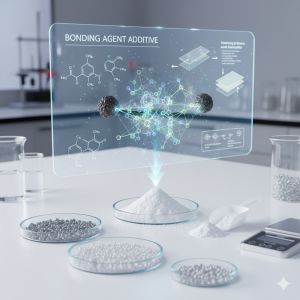
In the field of plastic manufacturing, particularly in the production of plastic pallets, a bonding agent is an essential component. It is a chemical substance designed to improve adhesion between two plastic surfaces or between plastic and other materials such as coatings, labels, or films. The use of bonding agents ensures that plastic pallets achieve high structural strength, surface durability, and resistance to external stress and environmental factors.
Bonding agents are widely used in industries that require strong adhesion in polymer products. Their presence helps manufacturers produce pallets that maintain quality and performance even after prolonged use or exposure to heavy loads.
The Function of Bonding Agents in Plastic Materials
Plastics such as polypropylene (PP) and high-density polyethylene (HDPE) — the two main materials used in plastic pallets — naturally have low surface energy. This makes them non-polar and difficult to bond with coatings, paints, or adhesives. A bonding agent modifies the plastic’s molecular surface by increasing its surface energy, allowing it to interact more effectively with other substances.
This modification enhances adhesion during coating, lamination, printing, or welding processes. As a result, the plastic pallet gains a stronger and more cohesive structure, which prevents issues like delamination or peeling of surface layers during use.
Role of Bonding Agents in Plastic Pallet Manufacturing
In plastic pallet production, bonding agents serve multiple critical roles:
- Improving Welding Strength: During processes such as hot plate or ultrasonic welding, bonding agents ensure a stronger joint between pallet parts. This enhances the pallet’s load-bearing capacity and extends its lifespan.
- Enhancing Surface Coatings: When applying anti-slip coatings, paints, or identification markings (like barcodes and RFID labels), bonding agents help these layers adhere firmly to the pallet’s surface.
- Supporting Layer Integration: For multi-layer pallets, bonding agents prevent layer separation, maintaining structural stability even under extreme conditions.
Advantages of Using Bonding Agents in Plastic Pallets
Plastic pallets enhanced with bonding agents tend to perform better in demanding environments. Their benefits include:
- Increased mechanical strength and resistance to cracking or deformation.
- Better surface adhesion, ensuring coatings and labels remain intact.
- Enhanced durability and lifespan of pallets.
- Improved compatibility between recycled and virgin materials, aiding sustainability efforts.
Conclusion
Bonding agents play a vital role in improving the adhesion, durability, and performance of plastic pallets. By strengthening the bonds within and on the surface of plastics, they contribute to producing pallets that are reliable, long-lasting, and capable of withstanding industrial stress. As industries move toward more efficient and sustainable material handling solutions, bonding agents will continue to be an integral part of high-quality plastic pallet manufacturing.
#palletplastik #plasticpallet #paletplastik #palletplastiksewa #palletplastikorisinil #palletplastikrecycle #palletsewa #sewapallet #sewapalletplastik #palletplastikindonesia #palletplastikinjeksi #palletplastikinjection #palletplastikhigienis #palletplastikdoubledeck #gudangsewa #palletplastikgudang #gudangcoldstorage #palletreversible