

Biocides and Their Role in Modern Plastic Pallet Technology
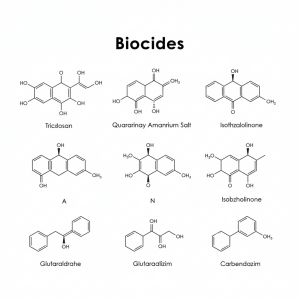
Biocides are chemical substances or microorganisms designed to control or eliminate harmful biological agents such as bacteria, fungi, algae, and viruses. They are widely used in various industries—including healthcare, agriculture, packaging, and polymer manufacturing—to prevent microbial growth that can compromise product quality, safety, or performance. In the context of plastic goods, biocides play an increasingly important role in extending product life, maintaining hygiene, and ensuring compliance with global standards for cleanliness.
Plastic pallets, which are heavily used in food processing, pharmaceuticals, retail distribution, and global logistics, benefit significantly from biocide integration. As supply chains become more demanding, industries are prioritizing cleanliness and sanitation. Incorporating biocides into plastic pallet materials offers a long-term solution to microbial control.
Why Plastic Pallets Require Biocidal Protection
Unlike wood, plastic naturally resists moisture absorption and pest infestation. However, plastic surfaces can still become contaminated by microbes during use, especially when pallets are exposed to humid environments, organic residues, or cross-contamination from transported goods. In industries where hygiene is critical—such as dairy, meat, beverage, medical supplies, and cosmetic production—contamination risks must be minimized.
Biocides address these challenges by providing a built-in layer of antimicrobial protection. The additives help suppress the growth of microbes on the pallet surface, reducing the chance of odor formation, staining, and bacterial proliferation. This ensures that the pallets remain cleaner, safer, and more durable even after repeated handling cycles.
Types of Biocides Used in Plastic Pallets
Manufacturers may use several categories of biocides depending on regulatory requirements, compatibility with polymer materials, and intended application:
- Organic Antimicrobial Agents
These include isothiazolinones, zinc pyrithione, and organic ammonium compounds. They are often chosen for non-food-contact pallet components because of their broad-spectrum antimicrobial activity. - Inorganic Biocides
Silver-based additives, copper compounds, and zinc oxide are common inorganic options. They are highly stable, resistant to heat, and compatible with HDPE and PP—the primary materials used in plastic pallet manufacturing. - Natural or Bio-Based Biocides
Derived from plant extracts or natural antimicrobial minerals, these options support sustainability goals and are suitable for companies seeking eco-friendly product lines.
How Biocides Enhance Plastic Pallet Performance
Biocide-treated pallets improve hygiene control by actively inhibiting microbial growth, making them suitable for closed-loop operations where pallets circulate repeatedly between production, storage, and distribution areas, while also extending product lifespan by preventing surface degradation and discoloration caused by microbes, reducing odors and stains that commonly arise in food-related environments, and supporting regulatory compliance, particularly in pharmaceutical and food processing industries with strict hygiene standards.
Sustainability and Environmental Considerations
While biocides improve hygiene and durability, their use must follow environmental safety guidelines. Manufacturers typically select biocides approved by global authorities such as the EPA or EU Biocidal Products Regulation (BPR). Many modern biocide formulations are designed to be non-leaching, ensuring that they remain embedded within the plastic matrix without contaminating products or the environment.
In addition, durable biocide-treated pallets often have a longer service life, reducing waste and contributing to a more efficient material cycle. At end of life, these pallets can still be recycled, provided the additives meet recycling compatibility standards.
Conclusion
Biocides play a vital role in enhancing the performance, hygiene, and lifespan of plastic pallets. By integrating antimicrobial protection directly into the polymer structure, industries benefit from cleaner, safer, and more reliable pallet systems. As global supply chains demand higher sanitation and durability, biocides will continue to be a key technological component driving innovation across the plastic pallet industry.
#palletplastik #plasticpallet #paletplastik #palletplastiksewa #palletplastikorisinil #palletplastikrecycle #palletsewa #sewapallet #sewapalletplastik #palletplastikindonesia #palletplastikinjeksi #palletplastikinjection #palletplastikhigienis #palletplastikdoubledeck #gudangsewa #palletplastikgudang #gudangcoldstorage #palletreversible #palletplastikkuat #palletracking #rackingsystem