

Heavy Duty Plastic Pallet (Pallet Plastik) in Industrial Material Handling
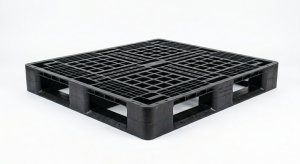
Heavy duty plastic pallets are robust material handling platforms specifically designed to support very high loads in demanding industrial environments. These pallets are widely used in manufacturing plants, distribution centers, warehouses, and export logistics where strength, durability, and long service life are essential. Compared with light duty or medium duty pallets, heavy duty plastic pallets are engineered with stronger structures and higher load capacities to handle intensive operations.
In modern supply chains, the movement and storage of goods often require pallets that can withstand continuous mechanical handling, stacking pressure, and transportation stresses. Heavy duty plastic pallets meet these requirements by offering superior structural integrity and resistance to environmental factors. Their durability makes them suitable for long-term use in closed-loop logistics systems.
Materials Used In Manufacturing
Heavy duty plastic pallets are commonly produced using high-performance thermoplastic materials such as High Density Polyethylene (HDPE) and Polypropylene (PP). These materials are selected because they provide excellent strength, impact resistance, and chemical stability. HDPE is widely known for its toughness and resistance to moisture, making it suitable for harsh environments such as cold storage facilities and outdoor logistics areas. Polypropylene also offers strong mechanical properties and performs well under repeated loading cycles. In many cases, manufacturers enhance the strength of heavy duty plastic pallets by incorporating internal reinforcements. These reinforcements may include thicker rib structures or metal bars embedded within the pallet frame to increase rigidity and load-bearing capacity.
Manufacturing Process And Structural Design
The most common manufacturing method used to produce heavy duty plastic pallets is injection molding. In this process, molten plastic material is injected into a mold that forms the pallet’s shape. Once the plastic cools and solidifies, it creates a rigid and durable structure with consistent dimensions. The structural design of heavy duty pallets typically includes a reinforced deck surface, strong support legs or runners, and internal ribbing patterns. These design elements help distribute weight evenly across the pallet, reducing stress concentration and preventing deformation under heavy loads. Some heavy duty pallets feature a closed deck surface that provides additional support for smaller packages and prevents product damage. Others may have open deck designs that reduce overall weight while maintaining strength.
Load Capacity And Performance
Heavy duty plastic pallets are designed to handle significantly higher loads compared to other pallet categories. Static load capacity, which refers to the weight the pallet can support while stationary, can often reach between 4,000 kg and 6,000 kg or even higher depending on the design. Dynamic load capacity, which represents the weight supported while the pallet is being moved by forklifts or pallet jacks, typically ranges between 1,500 kg and 2,500 kg. Additionally, many heavy duty pallets are suitable for racking systems where pallets must support loads while stored on warehouse racks. Because of their strong structure, these pallets maintain dimensional stability even under repeated use. This consistency is important in automated warehouses where precise pallet dimensions are required for conveyors, palletizers, and automated storage systems.
Advantages In Industrial Applications
One of the major advantages of heavy duty plastic pallets is their durability. Unlike wooden pallets, they do not splinter, crack, or degrade over time due to moisture exposure. This reduces maintenance requirements and increases operational safety. Another benefit is their resistance to chemicals, oils, and corrosive substances, making them ideal for industries such as pharmaceuticals, chemicals, and food processing. Plastic pallets are also easier to clean and sanitize compared to traditional pallet materials. Heavy duty plastic pallets also contribute to long-term cost efficiency. Although the initial investment may be higher than wooden pallets, their extended lifespan and reduced replacement frequency often result in lower total operating costs.
Applications Across Industries
Heavy duty plastic pallets are widely used in industries that require reliable and high-capacity material handling systems. In manufacturing sectors, these pallets are used to transport heavy machinery components, raw materials, and finished goods. The food and beverage industry also uses heavy duty pallets for storing large quantities of packaged products. Their hygienic properties make them suitable for environments that require strict sanitation standards. In logistics and export operations, heavy duty plastic pallets provide strong support for goods during long-distance transportation. Their consistent dimensions and structural strength help ensure safe handling throughout the supply chain.
Conclusion
Heavy duty plastic pallets are an essential component of modern industrial logistics. Their high load capacity, strong construction, and resistance to environmental factors make them ideal for demanding applications. By providing durability, operational efficiency, and long service life, heavy duty plastic pallets support reliable material handling across many industries and contribute to more efficient supply chain operations.
#palletplastik #plasticpallet #paletplastik #palletplastiksewa #palletplastikorisinil #palletplastikrecycle #palletsewa #sewapallet #sewapalletplastik #palletplastikindonesia #palletplastikinjeksi #palletplastikinjection #palletplastikhigienis #palletplastikdoubledeck #gudangsewa #palletplastikgudang #gudangcoldstorage #palletreversible #palletplastikkuat #palletracking #rackingsystem #rentalpalletplastik