
Polypropylene (PP) And Its Application In the Plastic Pallet Industry
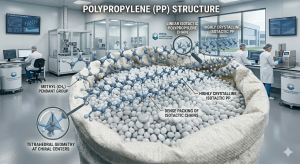
Polypropylene (PP) is one of the most commonly used thermoplastic polymers in the manufacturing industry. It belongs to the polyolefin family and is known for its excellent mechanical properties, chemical resistance, and lightweight characteristics. Because of these advantages, polypropylene is widely used in many industrial applications such as packaging, automotive components, household products, and industrial containers. In recent years, polypropylene has also become an important material in the production of plastic pallets used in logistics, warehousing, and material handling systems. In the plastic pallet industry, polypropylene is valued for its ability to provide high structural strength while maintaining relatively low weight. These characteristics make PP an ideal material for pallets that must withstand repeated loading, transportation, and mechanical handling in modern supply chain operations.
Material Characteristics of Polypropylene
Polypropylene has several properties that make it suitable for industrial products such as plastic pallets. One of its key characteristics is high stiffness compared to many other thermoplastics. This stiffness allows polypropylene pallets to maintain their shape under heavy loads without significant deformation. Another important property of polypropylene is its good fatigue resistance. This means the material can endure repeated stress cycles without easily cracking or breaking. In logistics operations, pallets are often used repeatedly for lifting, stacking, and transporting goods. The fatigue resistance of PP helps ensure that the pallet can maintain its structural integrity during continuous use. Polypropylene is also relatively lightweight, which helps reduce transportation costs and makes handling easier. Despite its low weight, the material still offers strong mechanical performance, making it suitable for industrial load-bearing applications.
PP In Plastic Pallet Manufacturing Processes
Polypropylene is commonly used in the injection molding process to produce plastic pallets. In this process, PP pellets are heated until they melt and are then injected into a pallet mold under high pressure. Once the molten plastic fills the mold cavity, it cools and solidifies into the final pallet shape. The processing characteristics of polypropylene make it well suited for injection molding. The material flows efficiently when melted and can form complex structural designs within the mold. This allows manufacturers to produce pallets with reinforced ribs, support structures, and optimized weight distribution. Because of this flexibility in design, polypropylene pallets can be engineered to meet different load requirements, including static loads, dynamic loads, and racking loads commonly found in warehouse storage systems.
Structural Strength And Load Stability
One of the main advantages of polypropylene in plastic pallet manufacturing is its excellent structural stability. PP pallets can support heavy loads while maintaining dimensional accuracy. This makes them particularly useful in industries that require reliable pallet performance during storage and transportation.
The rigidity of polypropylene helps prevent excessive bending or sagging when the pallet is placed on warehouse racks. This characteristic is important for racking systems where pallets must remain stable while supporting goods over long periods of time. As a result, polypropylene pallets are often used in distribution centers, manufacturing facilities, and automated storage environments.
Chemical And Environmental Resistance
Polypropylene also offers strong resistance to many chemicals, including acids, bases, and industrial solvents. This makes PP pallets suitable for industries that handle chemical products or operate in environments where exposure to cleaning agents is common. In addition to chemical resistance, polypropylene has good resistance to moisture. Unlike wooden pallets, PP pallets do not absorb water, preventing issues such as swelling, rotting, or mold growth. This property makes them ideal for industries with strict hygiene requirements, including food processing, pharmaceuticals, and healthcare supply chains.
Hygiene And Maintenance Advantages
Plastic pallets made from polypropylene offer significant advantages in terms of hygiene and maintenance. The non-porous surface of PP makes it easier to clean and sanitize compared to traditional wooden pallets. Dirt, liquids, and contaminants are less likely to penetrate the material, allowing for more effective cleaning procedures. This hygiene benefit is especially important in industries where product contamination must be minimized. Because polypropylene pallets do not splinter or produce debris, they also provide a safer working environment in warehouses and production facilities.
Sustainability And Recycling Potential
Polypropylene is also considered a recyclable material, which contributes to more sustainable manufacturing practices. Many plastic pallet manufacturers incorporate recycled polypropylene into their production processes to reduce material waste and lower production costs. At the end of their service life, polypropylene pallets can be collected and recycled into new plastic products. This recycling process helps reduce environmental impact and supports the development of circular economy systems in the plastics industry.
Role of Polypropylene In The Plastic Pallet Industry
Overall, polypropylene plays an important role in the development of modern plastic pallet solutions. Its combination of stiffness, durability, chemical resistance, and lightweight properties makes it a highly effective material for industrial pallet production. As global logistics systems continue to evolve and automation becomes more common in warehouses, the demand for high-performance plastic pallets will continue to increase. Polypropylene pallets offer a reliable and efficient solution for material handling operations, supporting safe transportation, efficient storage, and improved supply chain performance across various industries.
#palletplastik #plasticpallet #paletplastik #palletplastiksewa #palletplastikorisinil #palletplastikrecycle #palletsewa #sewapallet #sewapalletplastik #palletplastikindonesia #palletplastikinjeksi #palletplastikinjection #palletplastikhigienis #palletplastikdoubledeck #gudangsewa #palletplastikgudang #gudangcoldstorage #palletreversible #palletplastikkuat #palletracking #rackingsystem #rentalpalletplastik