

The Plastic Pallet Industry
The plastic pallet industry has become an essential part of modern logistics and supply chain systems worldwide. As industries continue to move toward automation, hygiene standards, and sustainability, plastic pallets are increasingly replacing traditional wooden pallets. Their durability, long service life, and consistent quality make them a preferred choice for manufacturing, warehousing, distribution, and export operations.
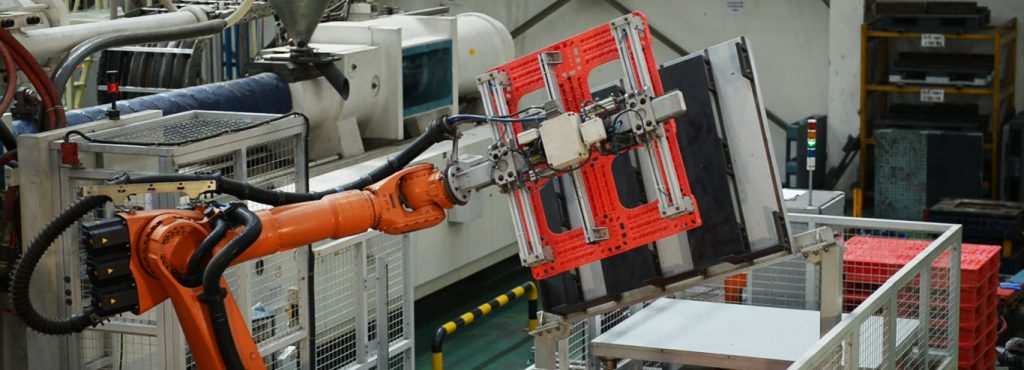
Plastic pallets are flat transport structures made primarily from polymer materials such as High-Density Polyethylene (HDPE) and Polypropylene (PP). They are designed to support goods during storage, handling, and transportation using forklifts, pallet jacks, or automated warehouse systems. Unlike wooden pallets, plastic pallets are manufactured using injection molding or structural foam molding processes. These advanced production methods ensure uniform dimensions, consistent strength, and precise load-bearing capabilities. This level of consistency is crucial in modern logistics environments, where automated systems require standardized pallet sizes.
Growth Drivers of the Industry
Several factors have contributed to the rapid growth of the plastic pallet industry. One of the primary drivers is the increasing demand for hygienic material handling solutions. Industries such as food processing, pharmaceuticals, and healthcare require pallets that are resistant to moisture, bacteria, and chemical contamination. Plastic pallets meet these requirements because they are non-porous and easy to clean. Another major factor is durability. Plastic pallets typically have a much longer lifespan than wooden pallets. They are resistant to rot, insects, and environmental damage, making them ideal for long-term use in harsh industrial environments. Automation in warehouses has also fueled demand. Automated storage and retrieval systems (ASRS) rely on uniform pallet dimensions to function efficiently. Plastic pallets provide consistent sizing and structural stability, which reduces handling errors and improves operational efficiency.
Sustainability and Environmental Impact
Sustainability is becoming a key focus in the plastic pallet industry. Many manufacturers now produce pallets using recycled plastic materials. Additionally, damaged pallets can be reprocessed and converted into new products, supporting circular economy practices. Although plastic pallets have a higher initial cost compared to wooden alternatives, their long service life and recyclability often result in lower total cost of ownership. Companies increasingly recognize that investing in plastic pallets can reduce replacement frequency, maintenance costs, and operational disruptions.
Applications Across Industries
Plastic pallets are widely used across various sectors, including:
- Manufacturing and automotive industries for heavy-duty material handling
- Food and beverage industries for hygienic transport
- Pharmaceutical companies for contamination-free storage
- Retail and e-commerce distribution centers for efficient logistics
- Export shipping, where compliance with international pest regulations is required
Their versatility makes them suitable for both domestic supply chains and global trade operations.
Challenges in the Industry
Despite its advantages, the plastic pallet industry faces several challenges. The high initial investment cost remains a barrier for small businesses. Additionally, raw material prices fluctuate because they are closely linked to petroleum markets. Another challenge is the need for quality control. Poor manufacturing processes can result in weak pallet structures, which may lead to safety risks and operational inefficiencies.
Future Outlook
The future of the plastic pallet industry looks promising. With the continued growth of e-commerce, warehouse automation, and sustainability initiatives, demand for high-performance plastic pallets is expected to increase steadily. Technological advancements such as RFID integration, smart tracking systems, and reinforced structural designs will further enhance the value of plastic pallets in modern supply chains.
Conclusion
The plastic pallet industry plays a critical role in supporting efficient, hygienic, and sustainable logistics operations. As global supply chains become more complex and automation-driven, plastic pallets will continue to gain importance as a reliable material handling solution. Their durability, consistency, and environmental benefits position them as a key component of future industrial infrastructure.
#palletplastik #plasticpallet #paletplastik #palletplastiksewa #palletplastikorisinil #palletplastikrecycle #palletsewa #sewapallet #sewapalletplastik #palletplastikindonesia #palletplastikinjeksi #palletplastikinjection #palletplastikhigienis #palletplastikdoubledeck #gudangsewa #palletplastikgudang #gudangcoldstorage #palletreversible #palletplastikkuat #palletracking #rackingsystem