

Plastic Pallets and Racking Systems: Building Strong Foundations for Modern Warehousing
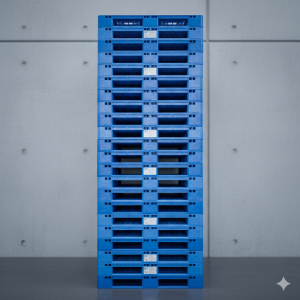
Plastic pallets and racking systems are two essential components that work together to ensure stable storage, smooth material flow, and optimized use of warehouse space. As supply chains become faster and more automated, businesses increasingly rely on plastic pallets that are compatible with advanced racking systems to achieve higher productivity and better inventory control. Plastic pallets are engineered to deliver consistent performance, while racking systems are designed to maximize vertical storage capacity. When properly matched, these systems create a reliable and scalable storage environment suitable for a wide range of industries including retail, manufacturing, pharmaceuticals, food processing, and e-commerce fulfillment.
Structural Compatibility and Load Performance
One of the key advantages of plastic pallets in racking systems is their dimensional consistency and predictable load behavior. Unlike wooden pallets, which may vary in size or develop warping over time, plastic pallets are manufactured with tight tolerances. This ensures secure placement on selective racks, drive-in racks, push-back systems, and automated storage and retrieval systems.
Plastic pallets designed for racking applications typically feature reinforced decks, structural ribs, and integrated runners to enhance load distribution and deflection resistance. These design elements improve static, dynamic, and racking load capacities, allowing pallets to perform reliably in high-bay storage environments. As a result, warehouse operators experience fewer product collapses, reduced damage, and improved safety for personnel and equipment.
Operational Efficiency and Automation Readiness
Modern racking systems increasingly integrate automation technologies such as conveyors, shuttles, and robotic pallet handlers. Plastic pallets are highly compatible with these systems due to their smooth surfaces, uniform weight, and consistent geometry. This compatibility reduces friction, minimizes jamming, and supports high-speed material flow throughout the warehouse. In automated storage environments, even minor variations in pallet structure can lead to system disruptions. Plastic pallets help maintain operational continuity by offering predictable handling performance across repeated cycles. This reliability is especially valuable in high-throughput distribution centers where uptime and accuracy directly impact customer satisfaction and cost efficiency.
Hygiene, Safety, and Clean Storage Environments
Plastic pallets provide important hygiene benefits in racking systems used for sensitive industries. Their non-porous surfaces resist moisture absorption, bacterial growth, and chemical contamination, making them suitable for cleanrooms, cold storage facilities, and regulated supply chains. This ensures that products stored on racking systems remain protected from contamination risks. From a safety perspective, plastic pallets eliminate splinters, protruding nails, and broken boards that can compromise worker safety or damage goods. Their smooth edges and stable load performance contribute to safer rack loading and unloading operations, reducing the likelihood of accidents and structural stress on racking components.
Space Optimization and Storage Density
Racking systems are designed to maximize vertical and horizontal storage capacity, and plastic pallets contribute to this objective through consistent dimensions and predictable stacking patterns. Their lightweight yet rigid structure enables better load planning and improved rack utilization. In some configurations, nestable or rackable plastic pallets allow warehouses to store empty pallets more efficiently, freeing valuable floor space for active inventory. By combining properly engineered plastic pallets with suitable rack designs, warehouses can achieve higher storage density without compromising load stability or access speed. This directly supports improved warehouse throughput and inventory management performance.
Sustainability and Long-Term Value
Plastic pallets and racking systems also support sustainability goals in modern warehousing. Plastic pallets are reusable, recyclable, and often manufactured using recycled materials, aligning with circular economy principles. Their long service life reduces waste generation and lowers replacement frequency compared to traditional alternatives. The durability of plastic pallets also protects racking systems from impact damage caused by broken boards or uneven loads, extending the life of storage infrastructure. This combination delivers long-term economic and environmental value for warehouse operators seeking reliable and responsible storage solutions.
Conclusion
Plastic pallets and racking systems form a strong foundation for modern warehouse operations. Their structural compatibility, automation readiness, hygiene benefits, space efficiency, and sustainability performance make them an ideal pairing for today’s data-driven and high-speed logistics environments. As warehousing continues to evolve toward smarter and more resilient systems, the integration of plastic pallets with optimized racking solutions will remain a key driver of operational excellence and long-term supply chain success.
#palletplastik #plasticpallet #paletplastik #palletplastiksewa #palletplastikorisinil #palletplastikrecycle #palletsewa #sewapallet #sewapalletplastik #palletplastikindonesia #palletplastikinjeksi #palletplastikinjection #palletplastikhigienis #palletplastikdoubledeck #gudangsewa #palletplastikgudang #gudangcoldstorage #palletreversible #palletplastikkuat #palletracking #rackingsystem